唱腔特点
沪剧的唱腔以"乌苏调"为主,兼有"拉工调"等多种曲调,音域宽广,表现力丰富。
Singing Style
Shanghai Opera's singing is primarily based on "Wusu Tune" and includes various styles like "Lagong Tune", featuring a wide vocal range and rich expressiveness.
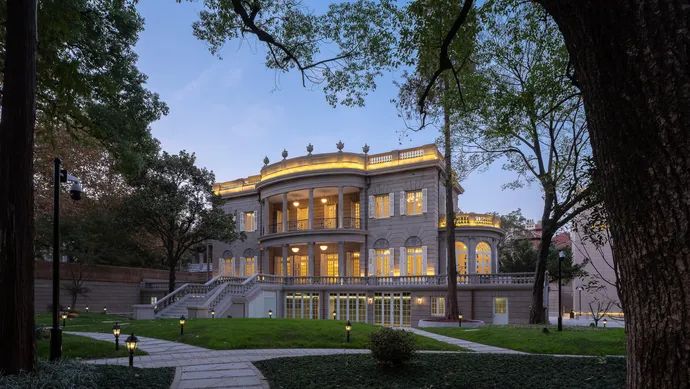
沪剧是上海地方戏曲剧种,以上海方言演唱,具有鲜明的海派文化特色。它起源于清末民初的上海滩簧,经过艺人们的不断改革创新,逐渐发展成为今天的沪剧。
Shanghai Opera is a local opera genre performed in Shanghai dialect, featuring distinctive Haipai cultural characteristics. It originated from Shanghai Tanhuang in the late Qing and early Republican period, and gradually evolved into today's form through continuous innovation by artists.
沪剧的唱腔以"乌苏调"为主,兼有"拉工调"等多种曲调,音域宽广,表现力丰富。
Shanghai Opera's singing is primarily based on "Wusu Tune" and includes various styles like "Lagong Tune", featuring a wide vocal range and rich expressiveness.
融合了传统戏曲的程式化表演和现代话剧的写实手法,形成独特的表演风格。
Combines traditional opera's stylized performance with modern drama's realism, creating a unique performance style.
以二胡为主奏乐器,配以传统丝竹乐器和西洋乐器,形成独特的海派音乐风格。
Features Erhu as the main instrument, combined with traditional Chinese and Western instruments, creating a unique Haipai musical style.
讲述了一个关于善良、诚信与救赎的感人故事。
A touching story about kindness, honesty, and redemption.
描绘了一段凄美的爱情故事,展现了人性的真善美。
A poignant love story that showcases the beauty of human nature.
展现了母女情深,感人至深的经典剧目。
A classic play depicting the deep bond between mother and daughter.